®
®Product visualisation
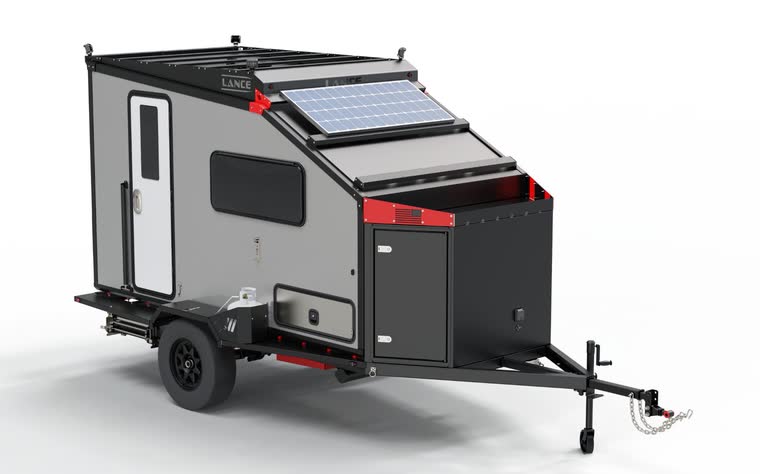
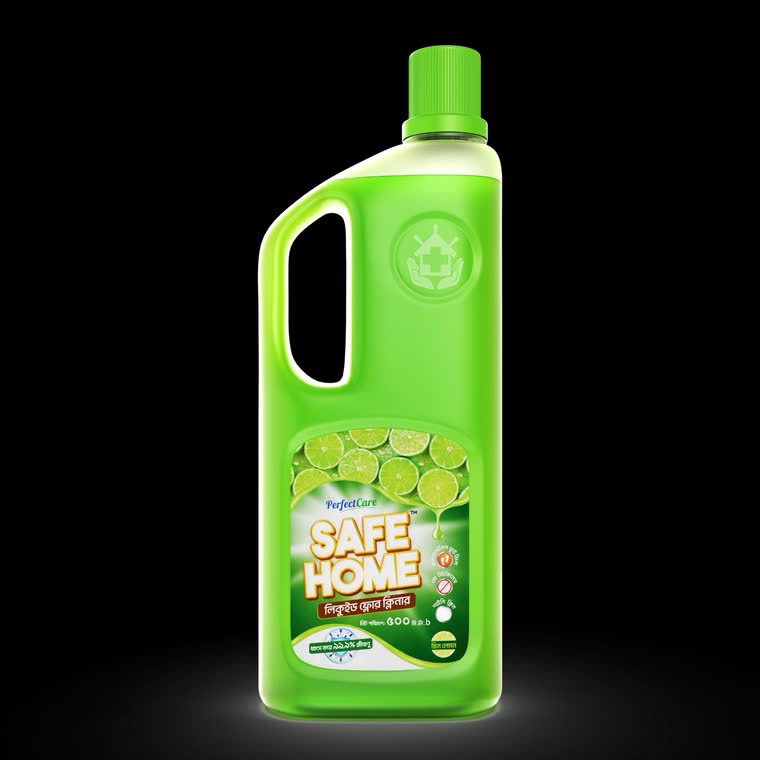
Studio-lit hero frames, catalogue line-ups and variant shots for e-commerce, print and campaign use — no photo shoot, no product samples in transit.
From packshot to headset — assets that hold their quality in every format they land in.
We model, texture and optimise the objects a brand sells: packaging, hard-surface product, interiors and environments, built once and delivered everywhere. The same asset carries a hero render at print resolution and a headset-ready mesh under a real-time budget, because both come out of one pipeline with the topology, UVs and materials planned for it from the start.
Studio-lit hero frames, catalogue line-ups and variant shots for e-commerce, print and campaign use — no photo shoot, no product samples in transit.
High-to-low-poly workflows with clean quad topology, so the same subject reads at close focal length and still fits a real-time budget.
Material authoring in Substance, label and artwork projection, and response tuned per render engine so surfaces behave the same across pipelines.
Baked detail, LOD chains and format validation for headset, mobile and web delivery, checked at scale and in the target runtime.
Configurators, viewers and interactive scenes that load fast on ordinary hardware — the optimisation is the feature.
Engineering data and photogrammetry rebuilt into production meshes with correct scale, pivots and naming for downstream teams.
Vegetation, architecture and dressed sets built to sit inside live-action plates or run inside a real-time scene.
Full-rotation loops rendered for product pages and marketplaces, cut to the aspect ratios each platform actually accepts.
We agree on the target formats first — print, web, engine or headset — because every downstream decision about topology and texel density follows from it.
Grey-box for silhouette and proportion, then high-poly detail, retopology and PBR authoring, with a review at each gate rather than one reveal at the end.
Lookdev and lighting for the hero frames, then the optimisation pass: bakes, LODs, format exports and a runtime check in the environment the asset will live in.
Both. Engineering CAD is converted and rebuilt into clean production meshes, and where only physical product exists we work from a measured reference shoot with dimensions and material samples.
GLB and glTF for web and engine, USDZ for iOS AR, FBX and OBJ for pipeline hand-off, plus native source files and full-resolution renders.
The low-poly target is set before modelling starts. Detail is baked from the high-poly source into normal and AO maps, LOD chains are generated, and the result is validated in the target runtime rather than in a viewport.